
Compare small-block Chevy mechanical fuel pumps by engine application, pressure, fittings, and installation requirements.
Current product options
Mechanical Fuel Pump SBC M4891 Replacement
Review the live listing for current price, availability, seller information, and product details.
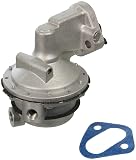
- VEHICLE APPLICATION: Fits Chevrolet Small Block with Engine Displacement 267, 283, 302, 305, 307, 327, 348, 350, 400, 409
- BUILT FOR DURABILITY – Featuring precision castings and rockers, this pump is designed for long-lasting operation under demanding conditions.
- FUEL BLEND COMPATIBLE – Equipped with advanced polymer diaphragms, it delivers reliable performance across multiple modern fuel blends, including ethanol mixes.
- RECOMMENDED INSTALLATION TIP – For optimal performance and protection, always replace the fuel filter when installing a new pump.
- OE-LEVEL PERFORMANCE – Carter mechanical fuel pumps are engineered to meet or exceed original equipment specifications, ensuring dependable and consistent fuel delivery.
Mechanical Fuel Pump SBC Replacement M4891
Compare the fitment details and installation requirements against the manufacturer documentation.

- [Vehicle Fitment] Compatible with Chevrolet Small Block (SBC) engines including 267, 283, 302, 305, 307, 327, 348, 350, 400 and 409 CID. Ideal replacement small block chevy fuel pump for classic SBC applications, including popular chevy 350 fuel pump setups.
- [Replace OE Numbers] Direct-fit replacement sbc fuel pump for M4891, designed to match OEM specifications and mounting points. This sbc mechanical fuel pump installs easily with no modifications required, making it a dependable chevy fuel pump alternative.
- [Solid Built] Constructed with a durable aluminum alloy body, NBR (Nitrile Butadiene Rubber) diaphragm and valves, and finished with trivalent chromated coating for enhanced corrosion resistance and long-term reliability under engine bay conditions.
- [High Performance] Delivers stable fuel supply with 4-8.5 PSI output pressure and a flow rate of ≥76L/H, ensuring consistent fuel delivery for carbureted SBC engines. Precision OE standard 1/4in-18 NPSF ports with 0.44" inlet and outlet support efficient fuel flow for smooth engine operation.
- [Buy with Confidence] Every small block chevy fuel pump is manufactured under strict quality control and fully tested before shipment. Backed by 1-year coverage for added confidence in daily driving and restoration projects.

Fuel-pump checks before ordering
- Confirm the engine family and mechanical-pump mounting pattern.
- Compare pressure, flow, inlet and outlet threads, and fuel type.
- Inspect the pushrod, gasket, fuel lines, and surrounding clearance before installation.
- Follow the pump manufacturer instructions and check for leaks before running the engine.
Related guides
n
How to compare the fuel-pump options
The Carter M4891 listing is a recognizable replacement-style reference for small-block applications, while the newer M4891 replacement listing may appeal on price or availability. Neither title replaces an engine-specific fitment check: compare mounting pattern, pushrod relationship, pressure, flow, and thread size before choosing.
For a race build, the pump should be evaluated as part of the complete fuel system. Confirm the carburetor or regulator requirement, hose routing, gasket surface, and leak-check procedure instead of selecting solely by advertised flow or review count.
How to make the decision
Mechanical fuel pumps are application-specific components even when a listing uses broad small-block language. Engine generation, block provisions, pushrod length, pressure, flow, inlet and outlet threads, gasket surface, and carburetor or regulator requirements all affect the choice. A replacement pump should be compared with the original application and the complete fuel system.
A practical inspection routine
Write down the engine casting or application, required pressure, expected fuel demand, fitting sizes, and available clearance. Plan the leak check before installation and inspect the pump, gasket, lines, and fittings after the first heat cycle. Start with measurements and manufacturer documentation, then use the live AAWP data to compare current seller, price, availability, and options. Treat those commercial details as changeable and recheck them immediately before purchase.
Questions worth answering before checkout
- What exact vehicle, driver, engine, or chassis configuration is this part being fitted to?
- Which dimension, interface, certification, or rule requirement could make an otherwise attractive listing unsuitable?
- What surrounding components must be installed or inspected at the same time?
- What evidence will confirm the final installation is secure and compatible?
Use this guide as a research framework, not as a substitute for the manufacturer instructions, a qualified inspection, or the current rules for the series where the car will compete.